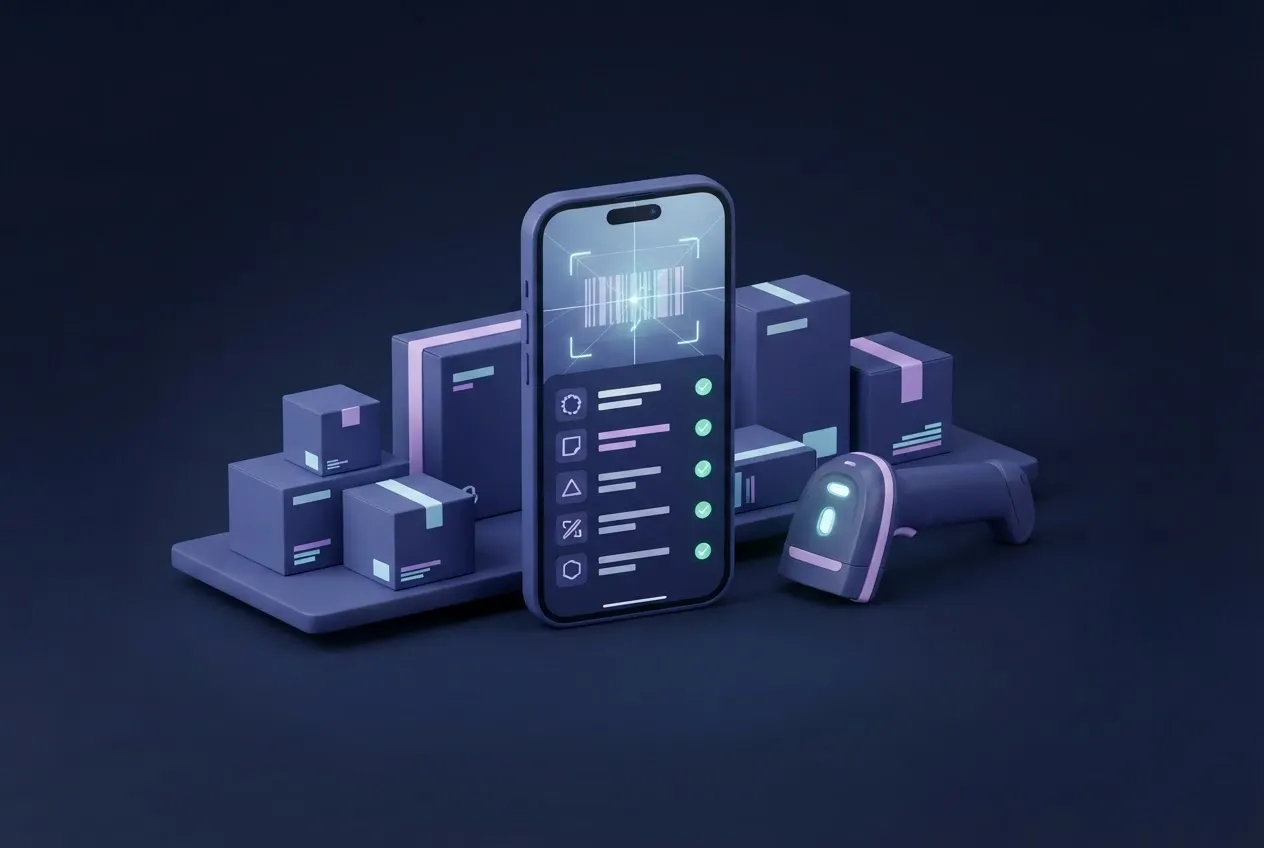
The venue has modern scales, a self-service kiosk, terminals and scanners. Every device works and meets the requirements. Yet staff still walk from scale to scale with a USB stick, rewrite prices and enter invoices by hand. Here is where time and money usually get lost, and what to do about it.
The problem isn’t the hardware
When a venue opens or upgrades its equipment, most of the attention goes to choosing devices: which scales, which kiosk, which terminal. That makes sense: hardware is visible, you can touch it and compare specifications. But a modern device doesn’t automate anything on its own. It can exchange data with the software, but someone has to set up that exchange, test it and maintain it.
Most venues don’t have that specialist. The hardware supplier sold and connected the device, the software supplier set up the accounting, and nobody is there to link the two. As a result, each part works correctly on its own, but together they don’t work.
Scales that live apart from the system
A classic example: scales that can transfer data but aren’t connected to the back office. The menu and prices are updated in one place, in the accounting system, while on the scales they have to be changed by hand. Prices change, a new item arrives, a seasonal one runs out: an employee takes a USB stick, copies the file onto it and walks to each scale in turn.
With several scales across several locations, this becomes a daily routine. Sooner or later one scale is left with an old price, and the customer sees one amount on the scale and another at the checkout. Discrepancies like these undermine customer trust and cause disputes at the till.
When the scales are connected to the backend, products and prices load from the system automatically. Change a price once and it appears on every device. No USB sticks, no manual entry and no “we forgot to update it”.
The kiosk as an island
The second common situation involves self-service kiosks. They are bought to take pressure off the checkout and speed up service, but in practice the kiosk often runs as a standalone system, with its own catalog, its own settings and its own logic for discounts and promotions.
That causes problems in several places at once. The menu has to be maintained in two places. Stop lists don’t sync, so the kiosk keeps offering items that are no longer available. Sales data reaches the accounting system separately or with a delay, so the venue’s report is incomplete. Every such discrepancy needs a manual check.
The kiosk should be part of a single process: the same catalog, the same prices and promotions, the same stock and the same accounting as a regular checkout. Only then does it actually take work off the team instead of creating more.
Stocktaking without the stress
Hardly anyone likes stocktaking. It means long hours of counting, parts of the operation on hold, paper sheets and a reconciliation that still leaves questions. For many owners and managers, the very thought of it is stressful.
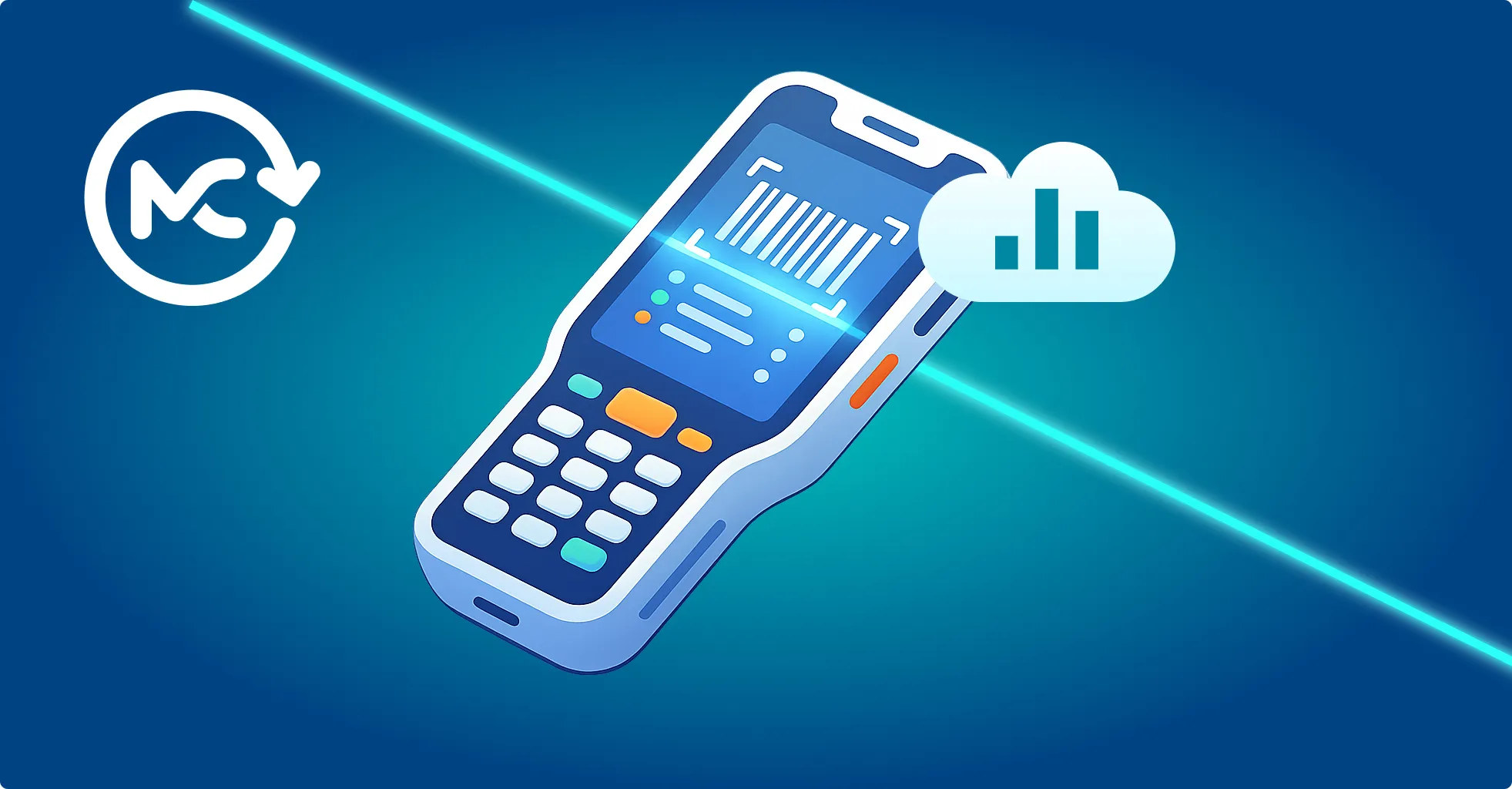
Connect a data collection terminal (PDA) to the system or use RFID tags, and everything changes. Staff scan items and the data goes straight into the accounting system. No more copying figures from paper or deciphering someone else’s handwriting. Counting is noticeably faster, there are fewer errors and the result is visible immediately, without waiting for someone to type the data in. Stocktaking stops being an event you prepare for weeks in advance and becomes a routine task.
Incoming invoices: a routine you can remove
Receiving goods usually means entering the invoice by hand. You have to find the item, enter the quantity and price, and check the total. It is repetitive work where mistakes are easy: skipping a line, mixing up figures, entering the wrong product. On top of that, invoices are often entered not right away but whenever someone gets to them, so stock in the system lags behind reality.
AI-powered document scanning recognizes the invoice and transfers the data into the system with no manual typing. The employee only has to check the result. Documents are entered on time, there are fewer human errors, and the manager can see the current picture at any moment: what came in, what is left, and how the venue is doing now, not yesterday.
The bottom line
All these problems share one cause: the venue has the equipment and the software, but no team to connect them into a single system. Scales, kiosk, terminals, scanners and accounting have to work as one, otherwise automation stays on paper and staff keep doing work the technology could have taken over long ago.
That is exactly what our team does: we know how to bring software and hardware together into one well-tuned system. We connect scales to the backend, build kiosks into shared accounting, set up stocktaking with PDAs and RFID, and implement automatic invoice entry. If you already have modern equipment that works “on its own”, tell us about it. We’ll look at what can be connected and how much time it will free up for your team.