Where We Started — A Day in the Life of an Auditor Before Implementation
Moldretail Group manages dozens of retail locations throughout Moldova. Each must adhere to uniform standards: cleanliness, merchandise display, compliance with personnel regulations, and equipment operation. To verify these standards, the company employs auditors—specialists who periodically visit the locations and document any deviations.
Before the system was implemented, an auditor’s day looked like this: they would arrive at the location with a printed checklist of 40–50 items, fill it out by hand, take separate photos of non-compliances on their phone, return to the office, and transfer everything to Excel. Drafting the report for a single location took 2–3 hours. The centralized data reached headquarters once a month—by that time, half of the identified issues were no longer relevant.
Why it was difficult to remedy
- No standardized format: each auditor took notes in their own way, making it impossible to compare locations
- Photos of nonconformities remained on personal phones and were not linked to a specific checkpoint
- Management saw the data 2–4 weeks late
- Recurring nonconformities were not tracked—there was no history per location, so the same problems kept reappearing
- Standards were changing, but updating the paper checklists for all auditors in a timely manner was practically impossible
What we built
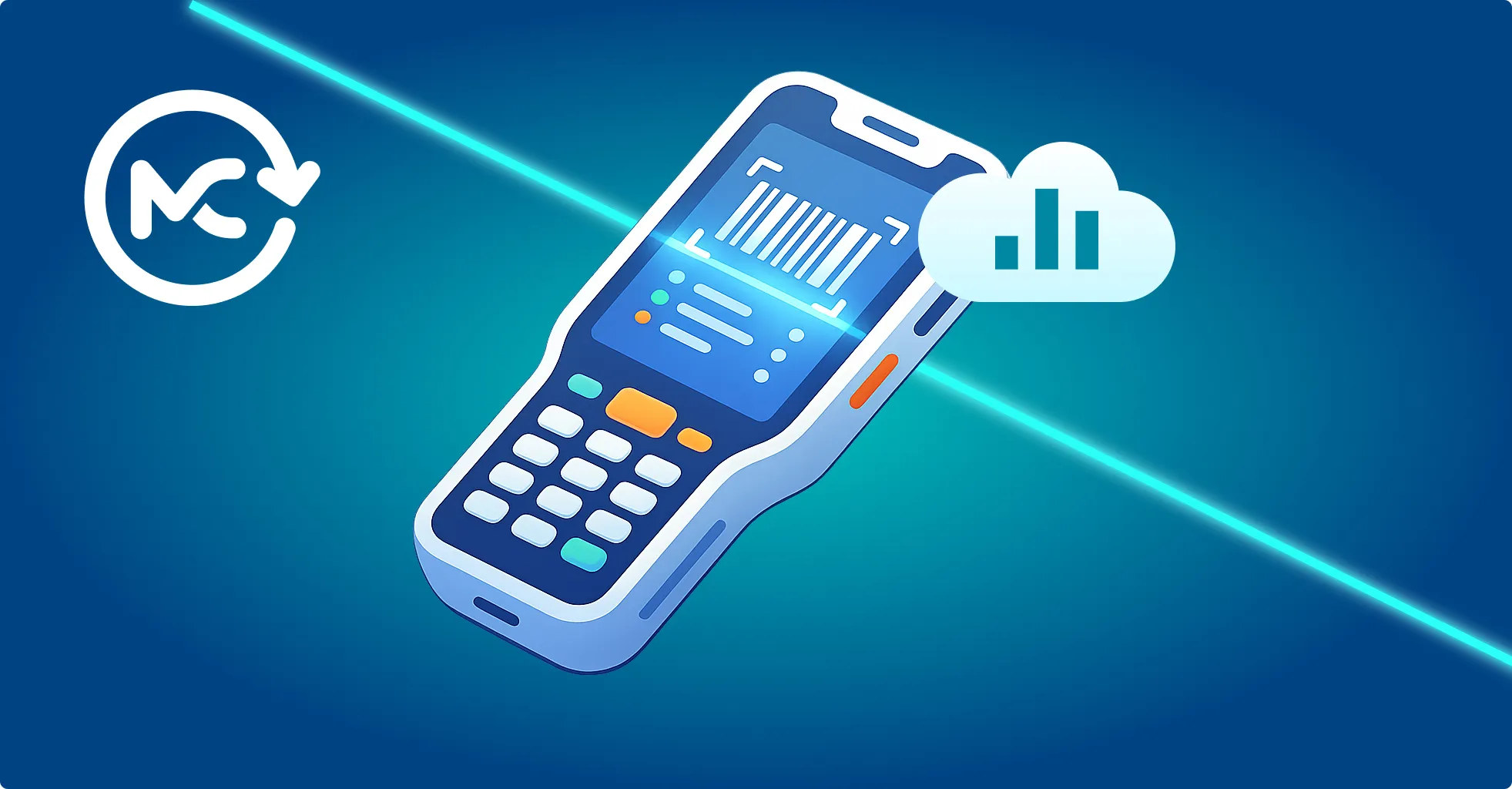
We developed a two-component quality management system. For auditors—a mobile app (iOS and Android): checklists structured according to company standards, the ability to photograph nonconformities directly within the form, and automatic calculation of the location’s score upon completion of the audit. Checklists are updated centrally—all auditors always work with the latest version.
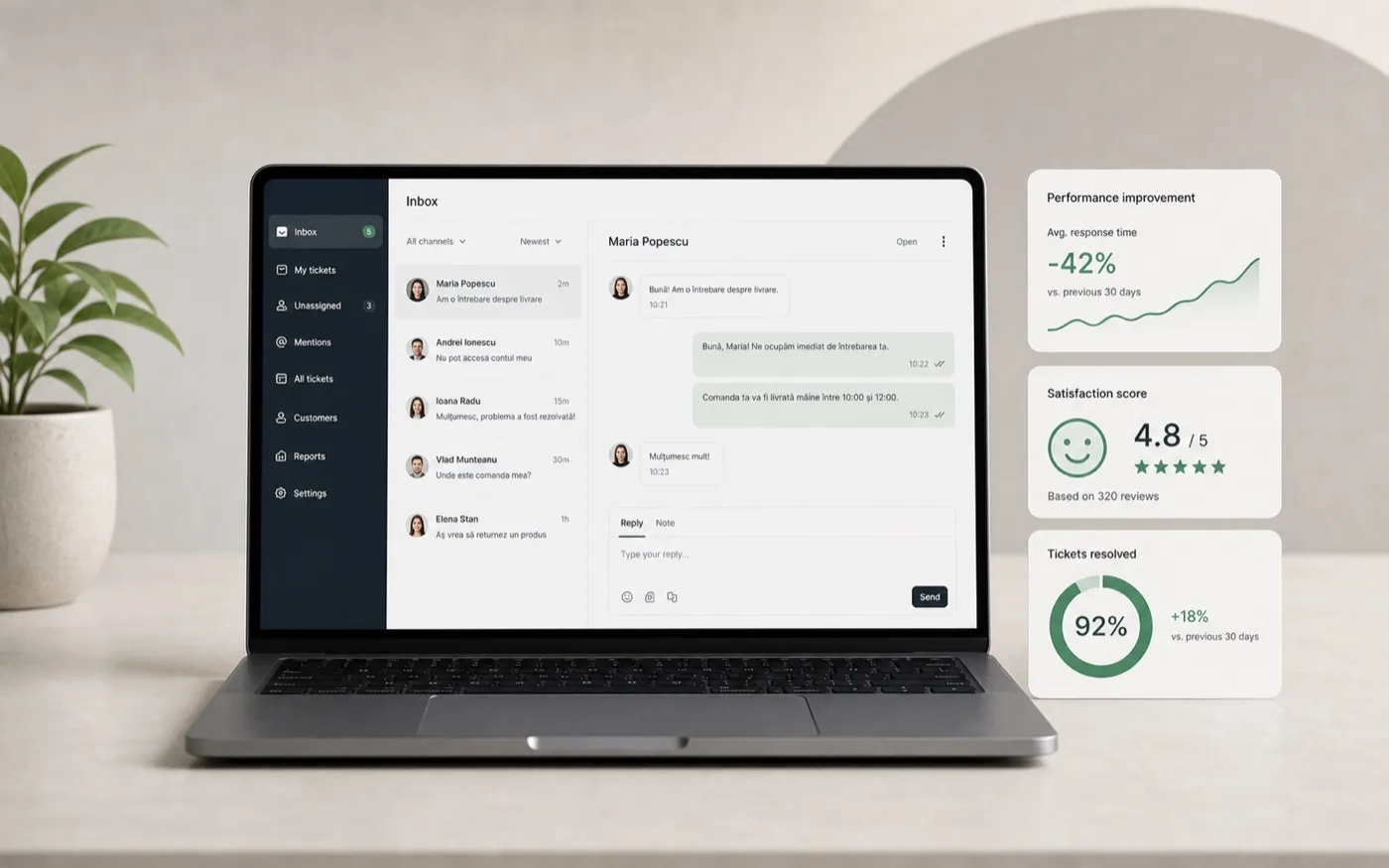
For management and regional directors—a web platform accessible from any computer or tablet: audit results appear immediately upon completion of the audit, with no waiting or manual data entry. Locations can be compared with one another and filtered by region and non-conformity category. The system automatically highlights critical non-conformities and indicates whether a non-conformity is a repeat occurrence.
Before, I spent more time writing the report than inspecting the location. Now the report is ready before I even leave the location.
An Auditor’s Day After Implementation
The auditor opens the app, selects the location from the list, and launches the inspection using the corresponding checklist. Each item is a multiple-choice question with answer options and a field for a photo. Upon completion, the system automatically generates the report and calculates the final score. The data appears instantly in the office’s central platform, where it is immediately visible to management. The entire inspection, including documentation, takes approximately 70 minutes, compared to the previous 3.5 hours.
What Has Changed
- The duration of an inspection has decreased from ~3.5 hours to ~70 minutes—a 65% reduction
- 100% of reports are in digital format; manual data transfer has been completely eliminated
- Management views results in real time instead of monthly summaries
- The history of nonconformities by location allows for tracking trends and identifying systemic issues